Baymorr Stables Presents
Our Reference Stallions
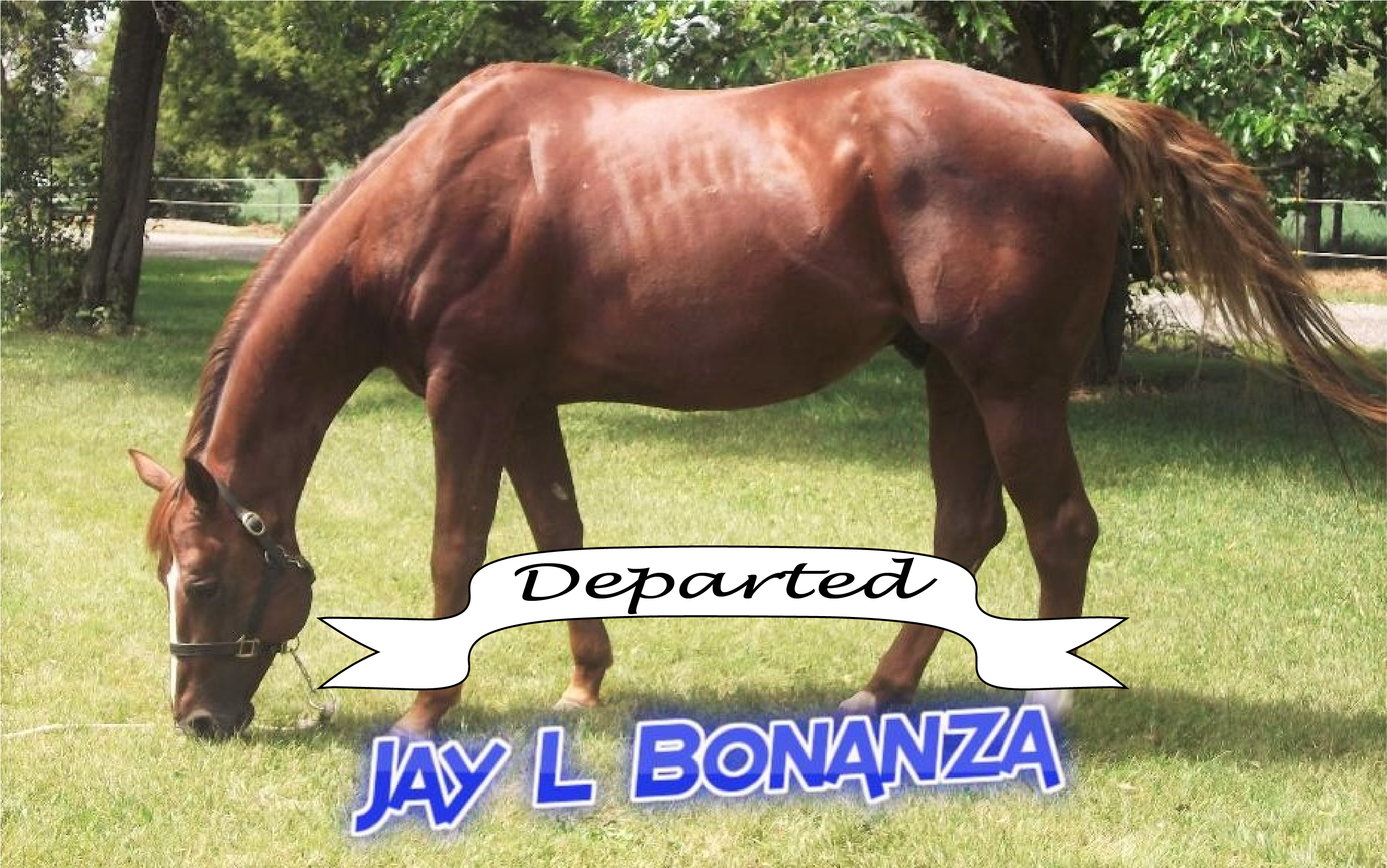
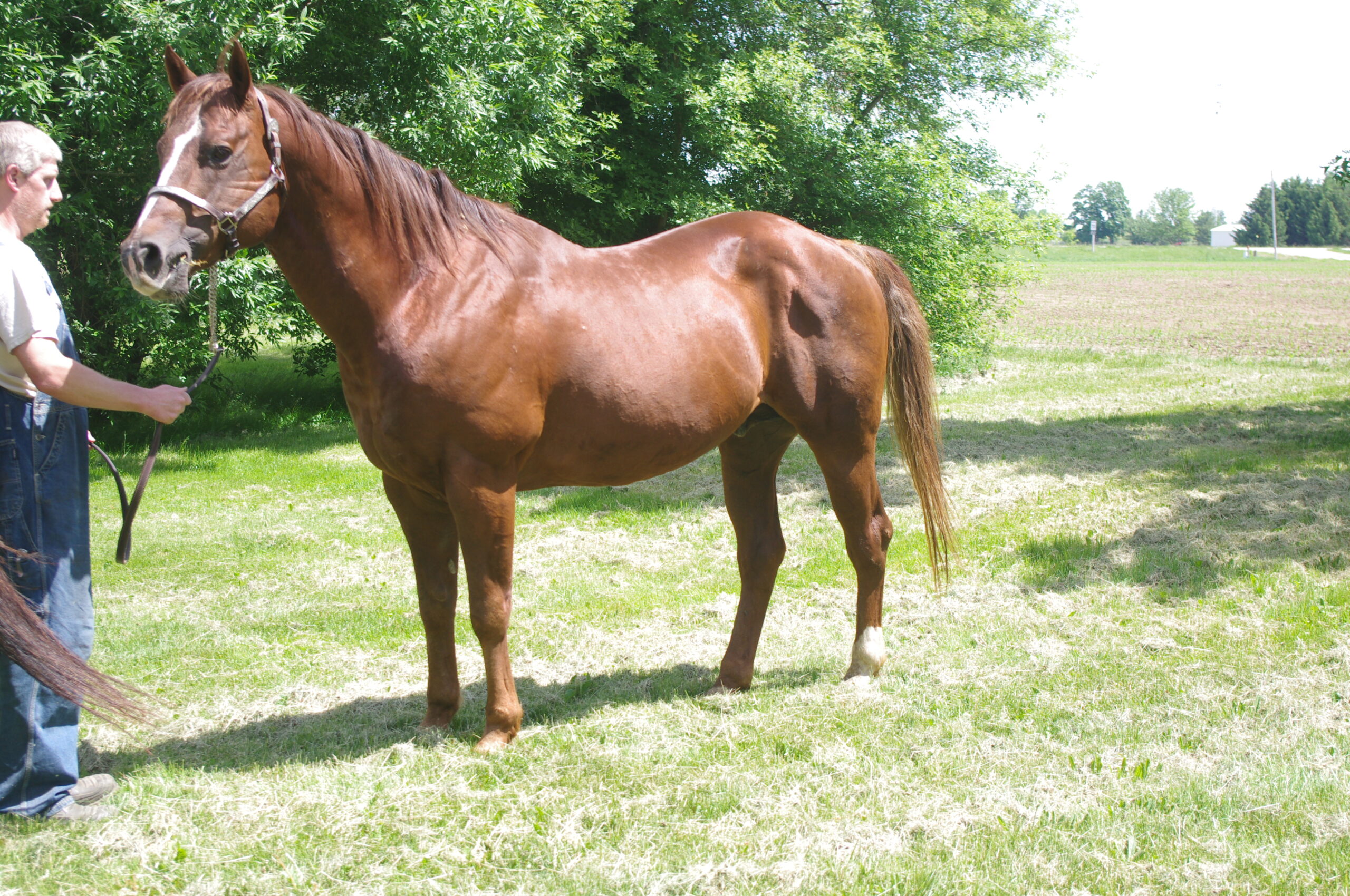
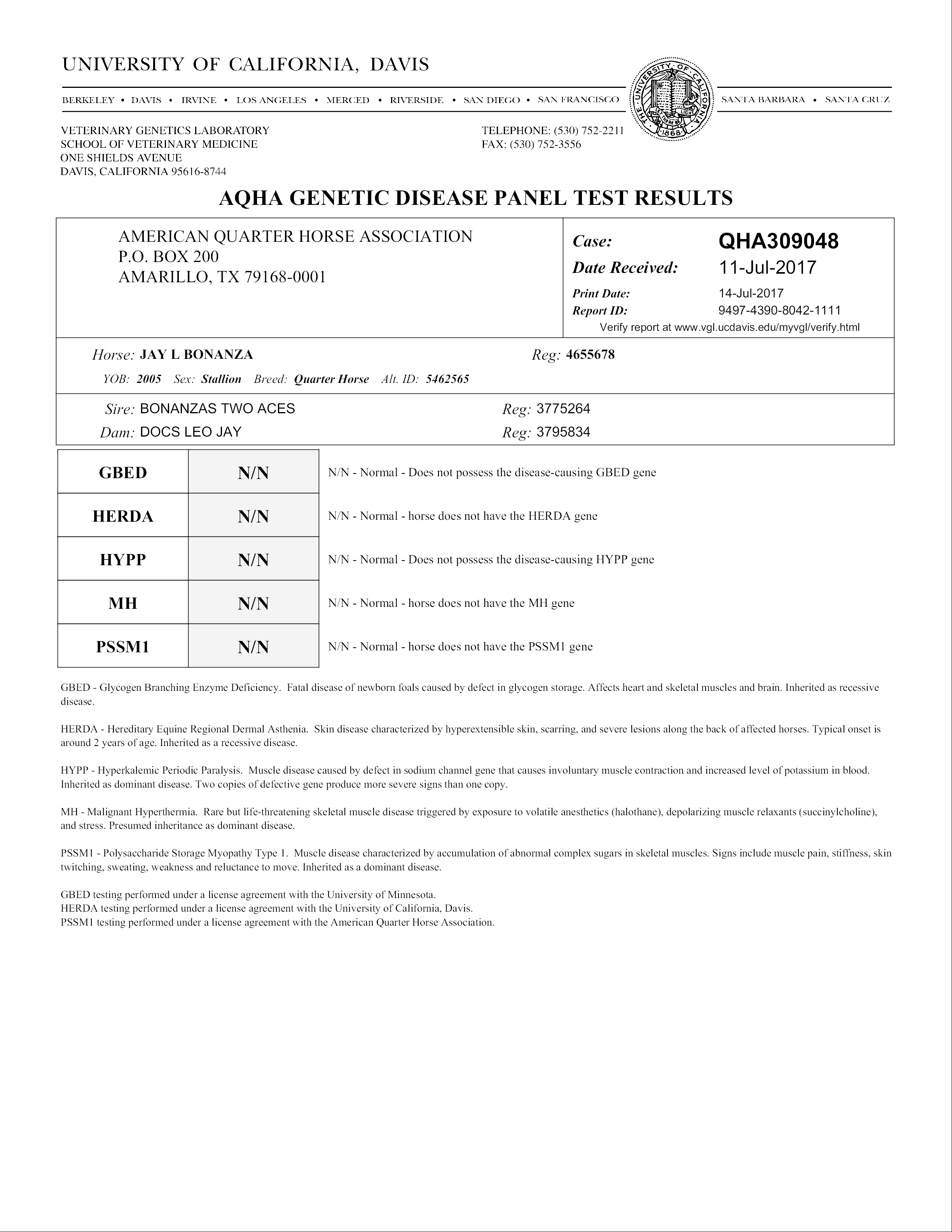
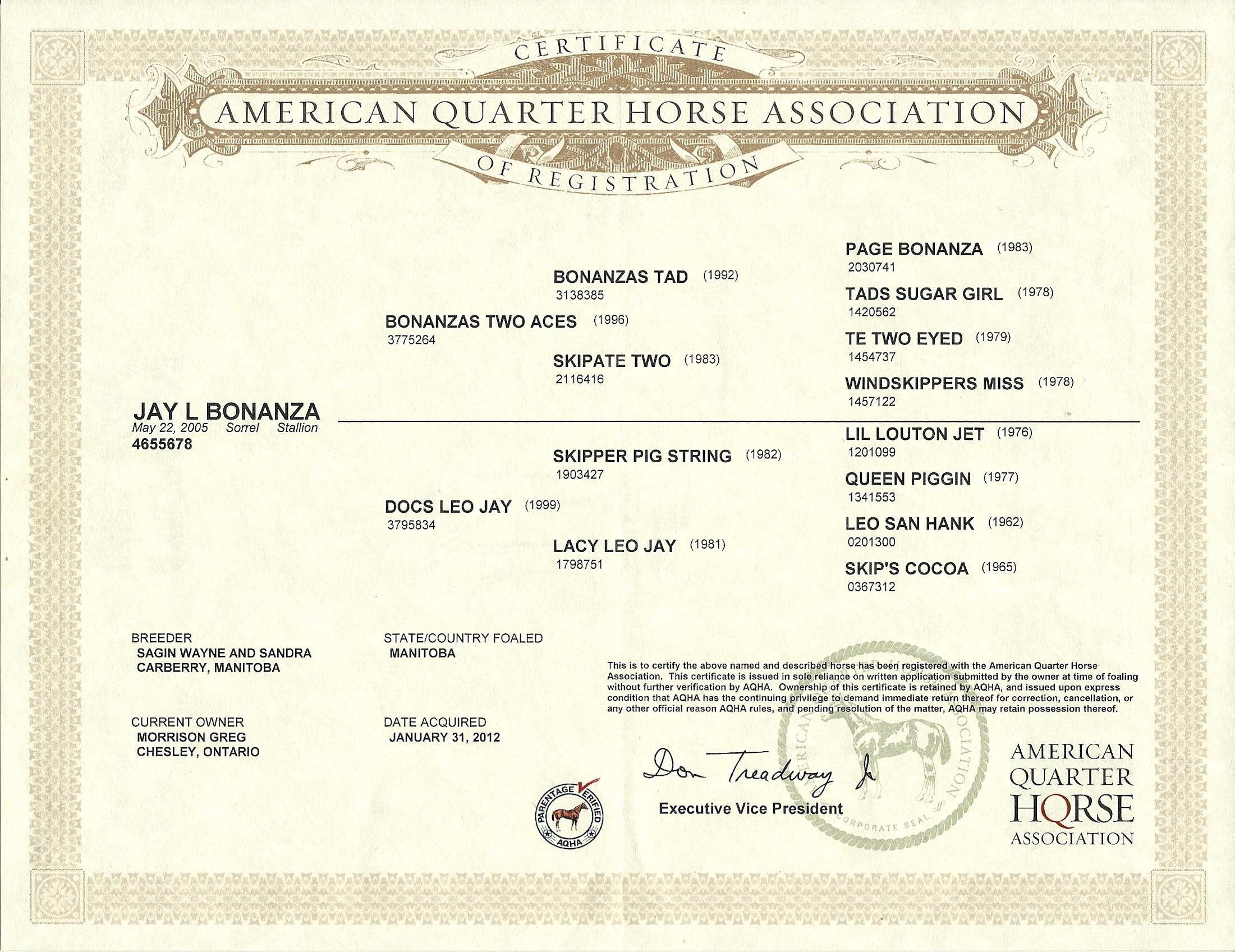
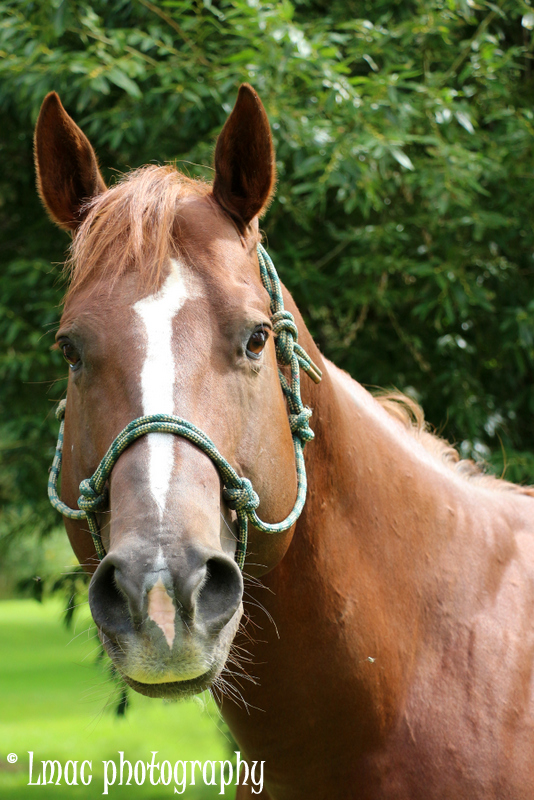
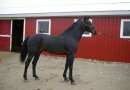
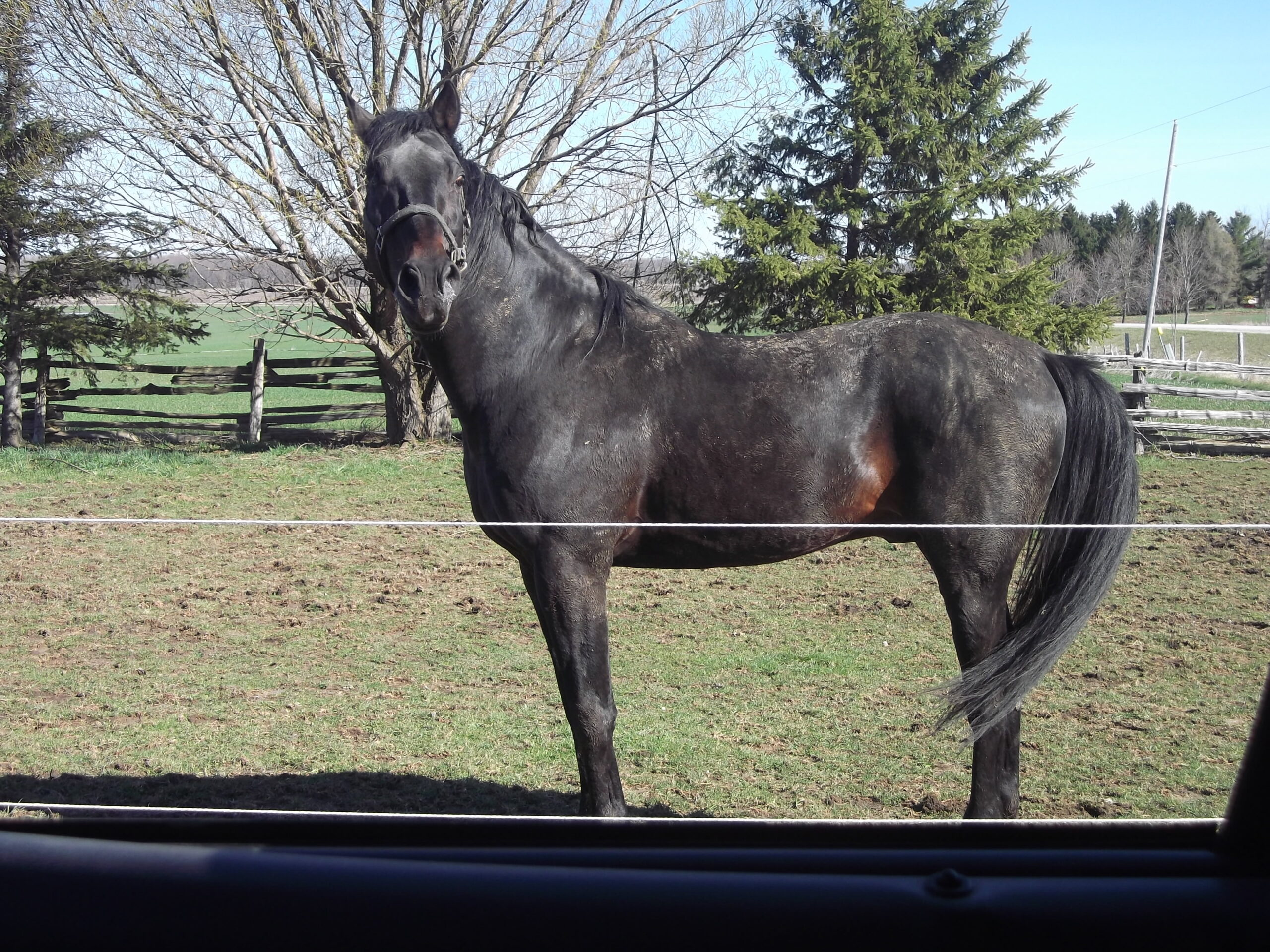
Jay L Bonanza
(Sire: Bonanzas Two Aces — Dam: Docs Leo Jay)
AQHA
Sire of :
- Ryder 2013 (Darbys Red Rose)
- Brianna 2013 (Phoenix)
- Baymorr Ruby Red 2014 (Darbys Red Rose)
- Baymorr Bonanza 2015 (Ladybug Olenas Hot)
- Willow 2015 (Phoenix)
- Morris 2015 (Misty)
- Amari 2016 (Phoenix)
- Baymorr Vallor 2017 (Ladybug Olenas Hot)
- Baymorr Hot Bonanza 2020 (Ladybug Olenas Hot)
- Kefi 2020 (Dove Killean)
- Bonsai 2020 (Lady Micbri)
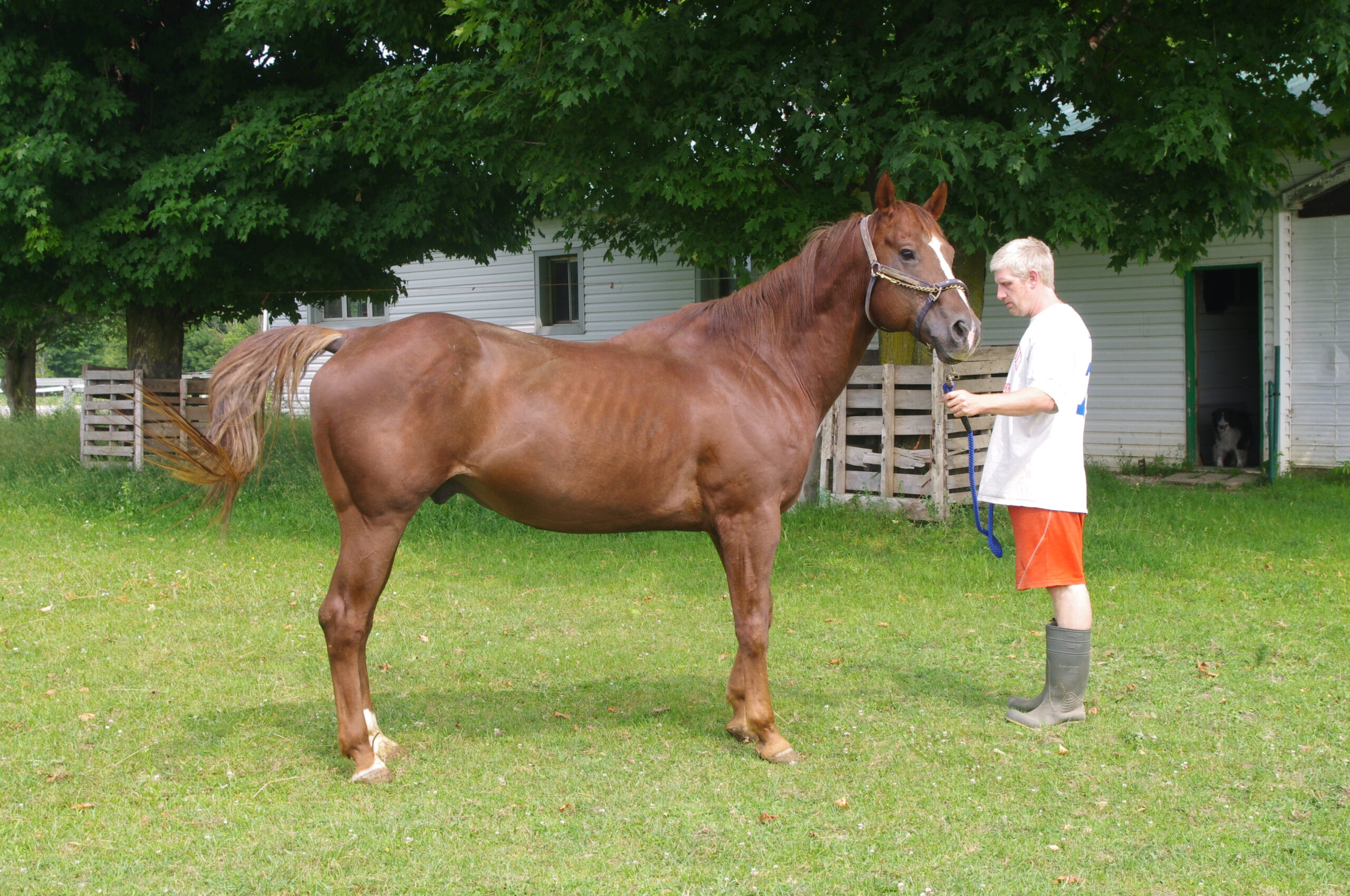
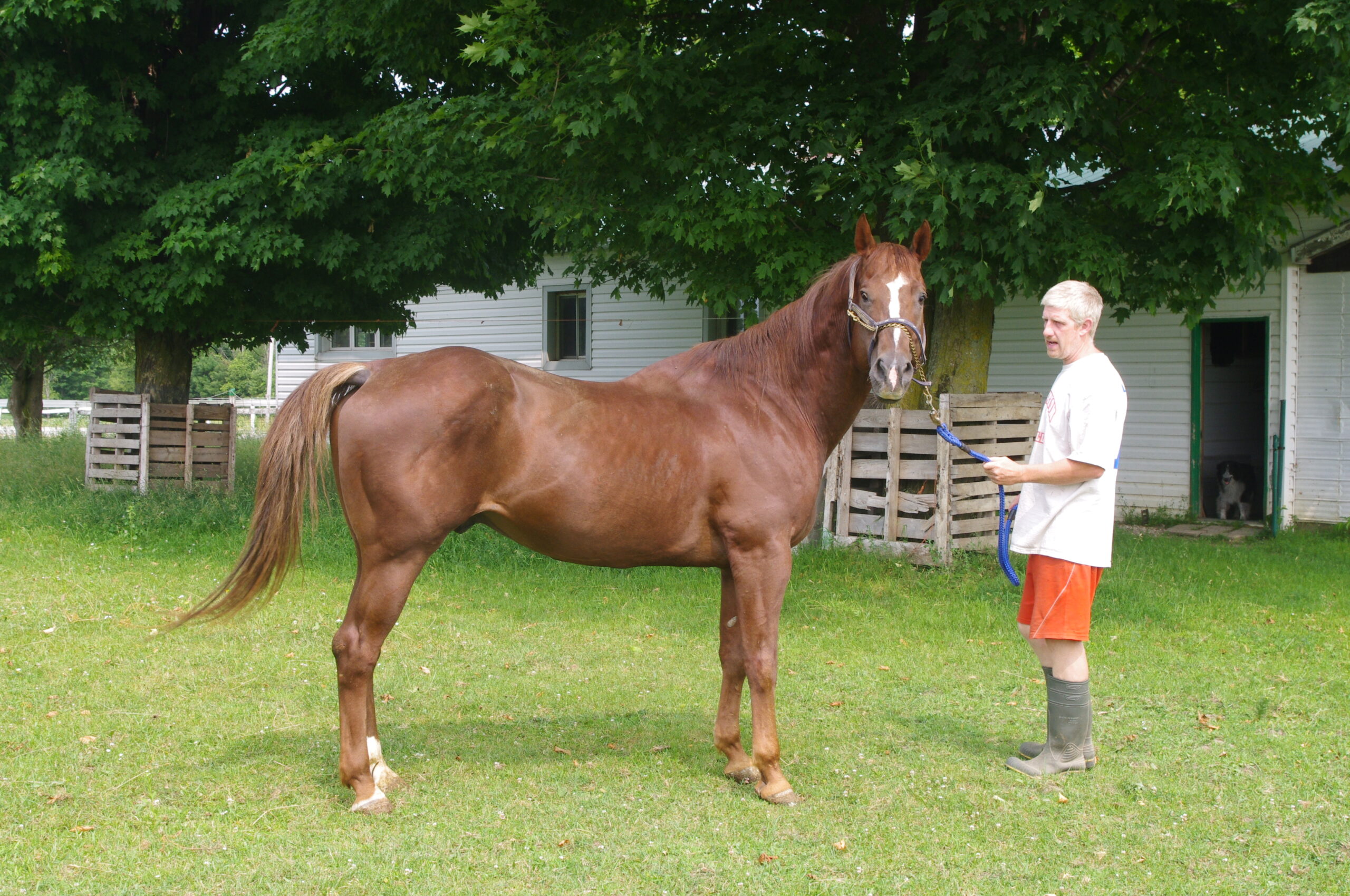
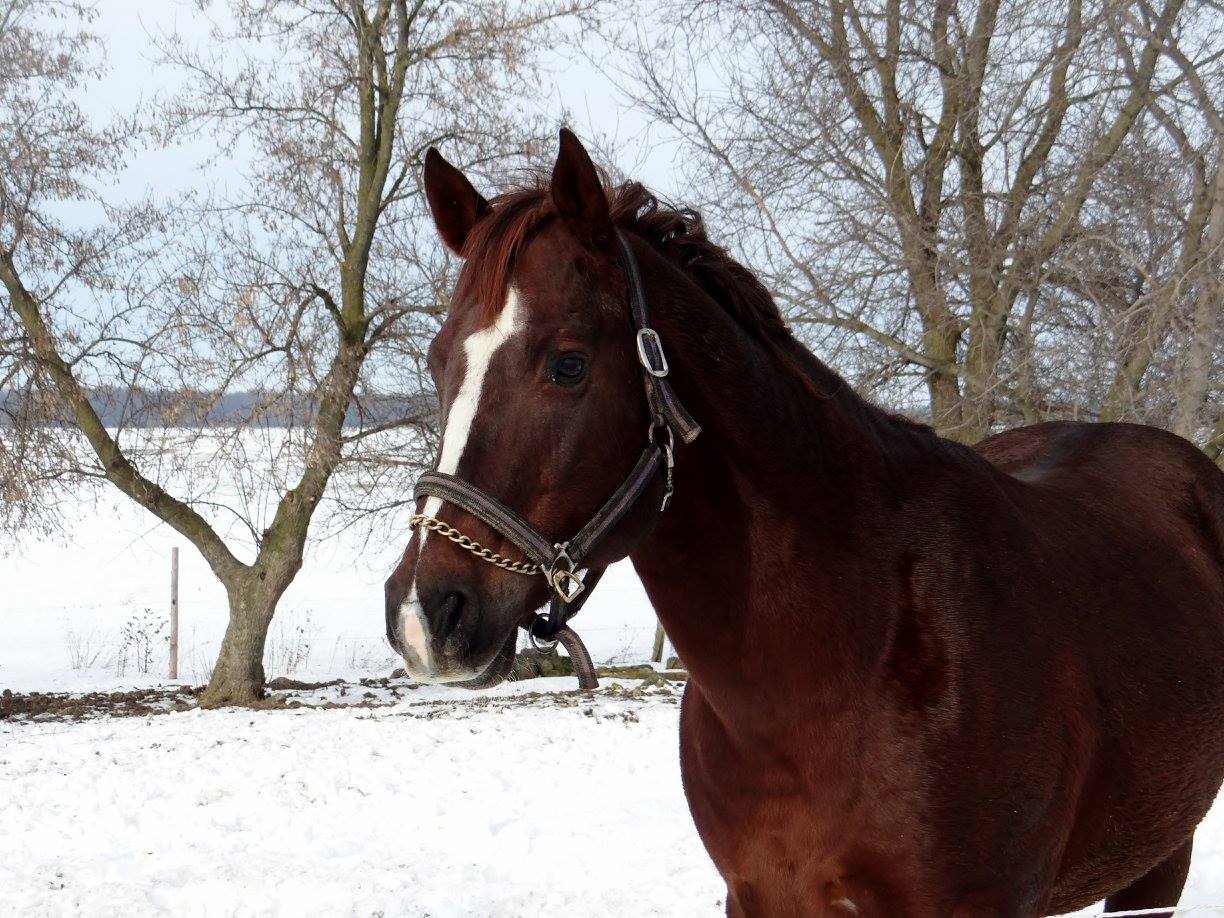
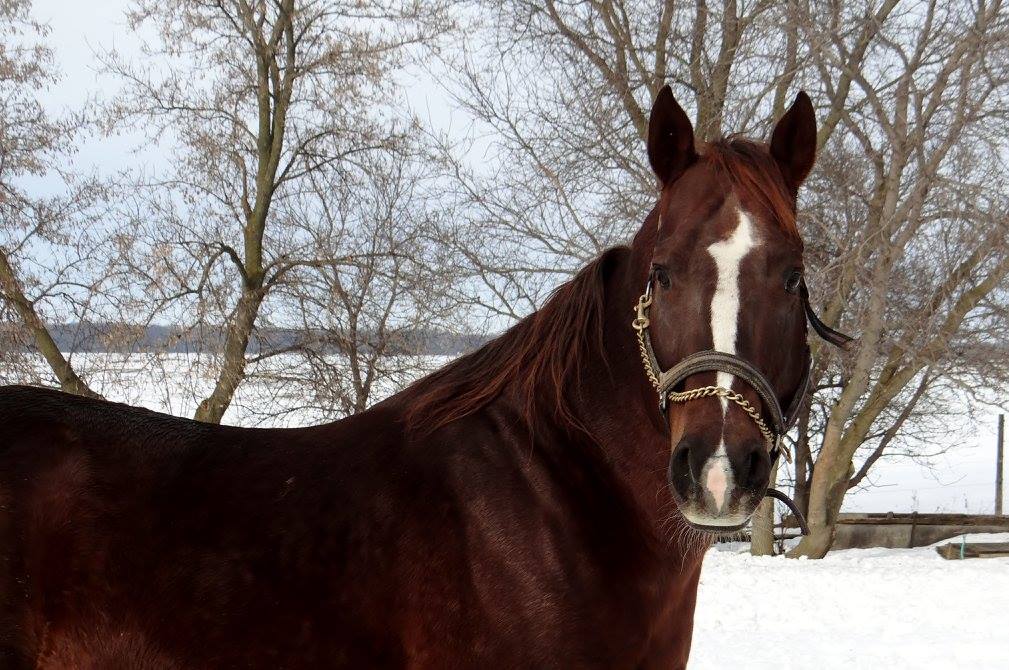
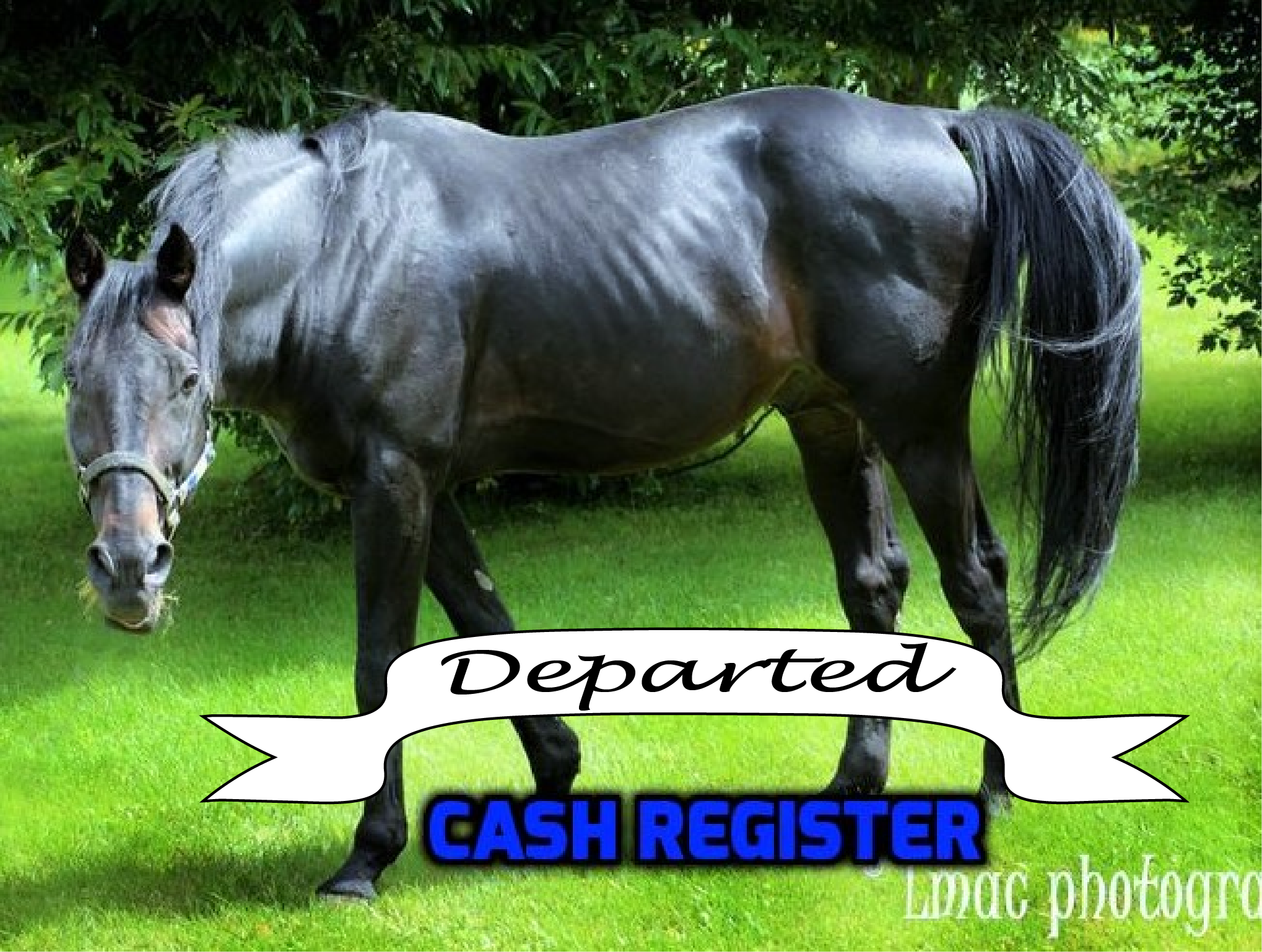
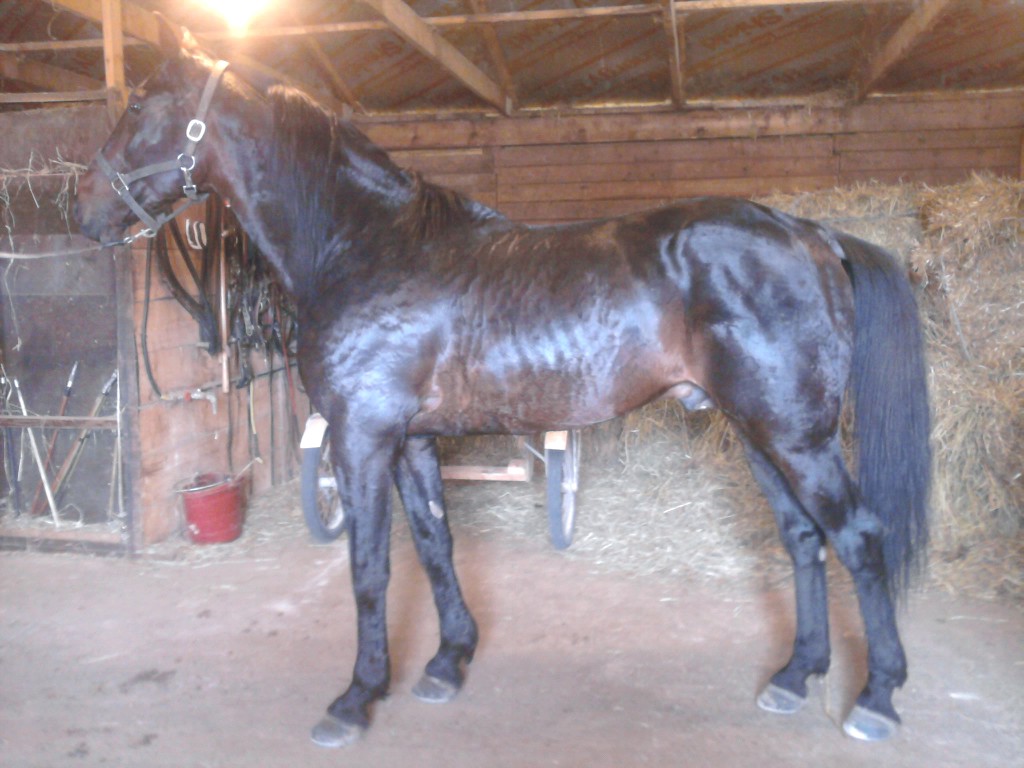

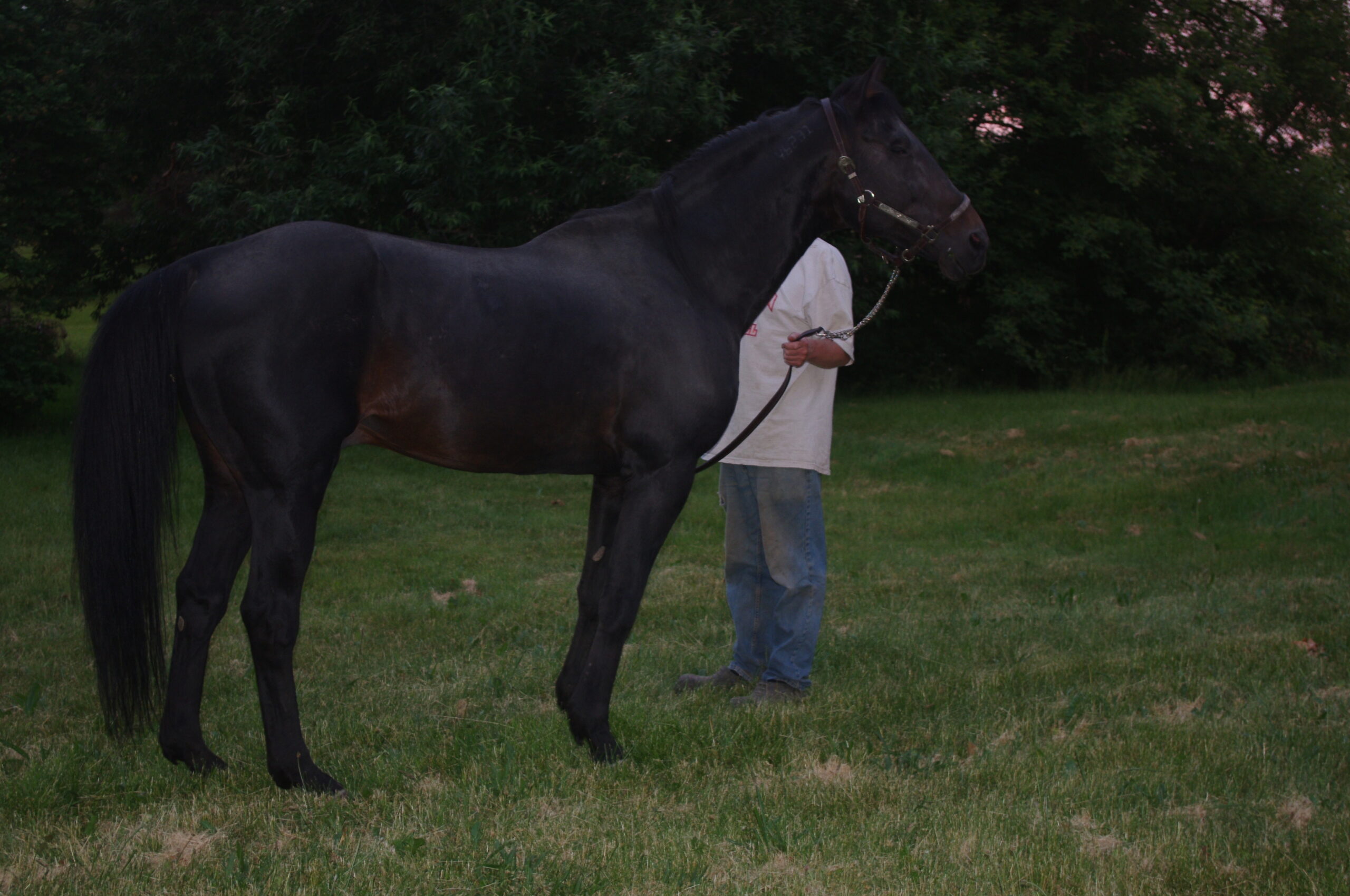
Cash Register
Standardbred
(Sire: Magical Mike — Dam: Its All Me)
Sire of :
-
Kennedy’s Trouble 2011 (NF Spindletop)
-
Baymorr Shya 2015 (Charlies Pick)
-
Baymorr Kennedy 2017 (Rural Voice)
-
Roma 2017 (Lady Micbri)
-
Baymorr Doria 2019 (Rural Voice)
-
Baymorr J Adios 2019 (Hannah G Adios)
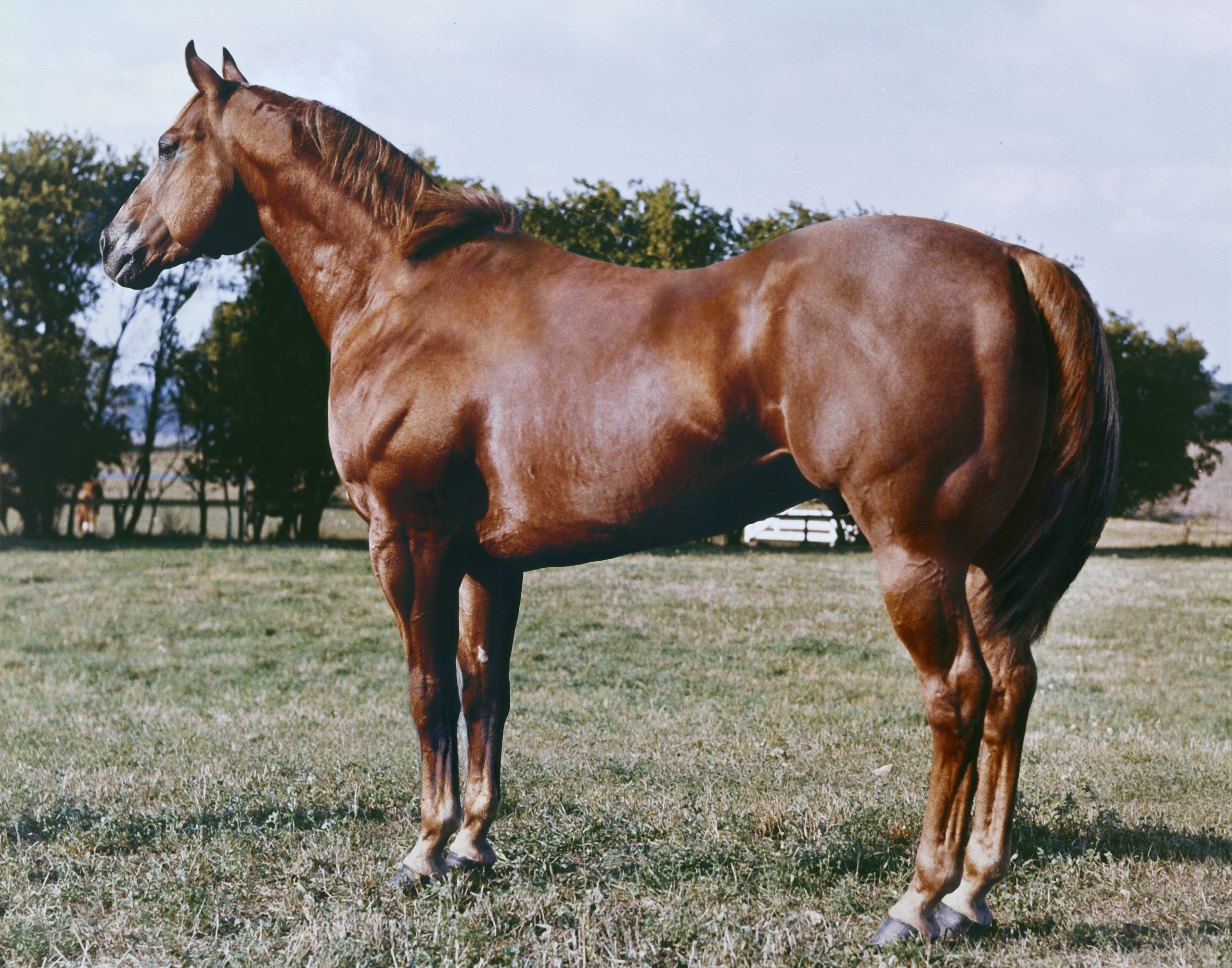
Coys Bonanza
The story goes that when breeder Bill Coy first saw the foal out of his mare Sparky Joann, he ran to the house shouting to his wife, “Charlene, we’ve struck a bonanza!”
The 1959 sorrel stallion was by Jaguar, a AAA-rated racehorse owned by Ed Honnen of Aurora, Colorado.
Bill Moomey tried to buy Coy’s Bonanza as a yearling, but Coy had given the colt to his daughter and couldn’t sell him. But there were bills to be paid and a year later, Coy’s Bonanza was listed in the Rocky Mountain Quarter Horse Sale and was purchased by Ed Coppola of Des Moines, Iowa.
Coppola sent the young stallion to trainer Dean Landers, who put him on the race track as a 3-year-old. Unfortunately, the horse shin-bucked and was limited to the show ring. He was shown 53 times, earning 40 grand championships and 13 reserves, which positioned him as the l963 AQHA national high-point halter stallion.
Coppola was ready to sell Coy’s Bonanza, and Moomey was first in line to buy him.
Moomey conditioned the horse slowly, then put him back on the track. He gave the horse to D. Wayne Lukas, a former basketball coach from Wisconsin who was making a name for himself in Quarter Horse circles as a premiere racehorse trainer. After the horse earned a AAA rating, Moomey retired him to stud.
Moomey studied the breeding records of the most popular studs of that period and noted that out of the 50 to 100 foals that resulted each year, only a small percentage went on to become real big-time winners.
Taking a risk, Moomey chose to close Coy’s Bonanza’s book and breed only to his own mares. Moomey limited his first band to 20 mares selected by prior production, bloodlines, logic and crossed fingers.
The plan seemed to work. Coy’s Bonanza’s foals became high-point horses in nearly every category: halter, reining, working cow horse, western pleasure and roping.
From 16 foal crops, Coy’s Bonanza sired 228 foals. Of those, 26 were AQHA Champions, five were youth champions, 112 earned 4,633 halter points, 23 had Superiors in halter, 117 earned 4,248 performance points, 73 had performance Registers of Merit and 24 had Superiors in performance. He also sired five race starters.
When Coy’s Bonanza died in 1976, he still looked like he could win the big ones, and he left a legacy of foals who did just that.
Coy’s Bonanza was inducted into the American Quarter Horse Hall of Fame in 2015.